Tuesday, December 13, 2011

Christmas Bird Count Starts December 14th

I've often written about the fun and important function of Citizen Science Programs. What I call Citizen Science programs are any programs that encourage people to go out and monitor various forms of wildlife and report their statistics so that scientists can study the habits and habitats of local wildlife. 

There are wildlife monitoring programs for birds, butterflies, hummingbirds, frogs and other forms of wildlife. These programs are open to anyone with an interest in wildlife. In most cases, the only skill required is the ability to count! They are a great opportunity to get outside with your family and explore the creatures that live around us.

The best known of these counts are the various bird counts conducted, in part, by the National Audubon Society.   Starting on Wednesday, December 14th, you can participate in one of the more popular of these counts: The Christmas Bird Count.

The National Audubon Society website describes the Christmas bird count in this way:
 From December 14 through January 5 tens of thousands of volunteers throughout the Americas take part in an adventure that has become a family tradition among generations. Families and students, birders and scientists, armed with binoculars, bird guides and checklists go out on an annual mission - often before dawn. For over one hundred years, the desire to both make a difference and to experience the beauty of nature has driven dedicated people to leave the comfort of a warm house during the Holiday season.
Each of the citizen scientists who annually braves snow, wind, or rain, to take part in the Christmas Bird Count makes an enormous contribution to conservation. Audubon and other organizations use data collected in this longest-running wildlife census to assess the health of bird populations - and to help guide conservation action.
If you would like to get more information about a bird count in your area, use this search tool to find the count nearest you.

Monday, December 12, 2011

Gifts for “Green” Gardeners

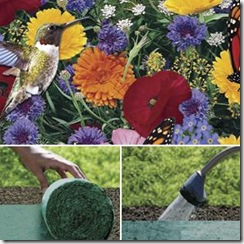
butkit Yikes! How can there be less than two weeks until Christmas? If you are still looking for gift ideas for the eco-friendly gardener on your list, here are a few last minute suggestions.

*Please note: catalog links provided are for reference only and are not recommendations on my part. Many of the products were chosen for their unique or “green” qualities. Whenever possible, I suggest you shop local.

Pamper your gardener. Forget the day in the spa. To pamper your favorite gardener, give them gifts to protect their hands and skin. Every gardener needs garden gloves but eco-friendly gardeners are often more hands-on than other gardeners. Why? Because we don’t stand back and spray weeds or bugs with toxic chemicals. We get right down there in the dirt and hand pull weeds and hand pick bugs. Gloves are good. Along the same lines as gloves, eco-friendly gardeners can use kneelers for getting down close to their gardens and hand tools used for weed removal. And hats are great to help protect faces from harmful UV rays. All of these products can be found locally at garden centers or even big box stores.

Give the gift of water AND cleaner local waterways. You can buy or make a rain barrel to give. But make sure the gift is used and appreciated by helping the recipient install it. Other options for saving water are water timers ($19.95 from Plow & Hearth) which provide automatic shutoff after a designated amount of watering. And there are even high-tech models that check the weather on the internet $499.00 from CyberRain) and then set your irrigation systems for you, depending on the weather forecast.

Nurture their soul - Butterfly or hummingbird garden kits can be purchased ready made, or you can make your own by checking our lists of plants for hummingbirds and butterflies and picking up seed packs at your favorite garden supply center. Don’t forget to include a book (or pages printed from the internet) about how to create a butterfly or hummingbird garden.

Keep them organized and enlightened with a Garden Journal – I love garden journals (and I wish I would remember to use my own more often). Keeping a garden journal is a great way to see what works and what doesn’t in your garden, and to write down those “deep thoughts” that always seem to come when your hands are deep in the dirt. You can buy very inexpensive empty journals at many book stores, or go all out and buy a ten year, cloth bound journal with A Gardener’s Journal stamped on the front cover ($39.50 from Lee Valley)

The gift that keeps on giving: Compost Buckets – IMHO, everyone should compost. But having a big pile of decomposing plant matter in the corner of one’s yard isn’t for everyone. But compost buckets come in all shapes, sizes and designs. From stylish kitchen designs that sit on a kitchen counter and allow for collection of coffee grounds and eggshells, to high tech under counter kitchen  models that do all the dirty work for you($199 and up from NatureMill). You can even go a step further and buy worm composters or even products that compost pet poo. But again, these gifts are only appropriate for the dedicated green gardener.

Subscription to local gardening magazine – One of the main principles of eco-friendly gardening is to learn to garden WITH Mother Nature, not against her. That means plant things and use techniques that are known to work in the area that you live. When things like rain, snow (or dark of night) keep the avid gardener inside, there is nothing quite like curling up with a great garden magazine that makes you eager to get back out there in the dirt. Since 2005, Washington Gardener Magazine has been providing information to gardeners in the DC/Virginia/Maryland region. A yearly subscription is $20.00 and contains six issues.

Should you give plants? I don’t really recommend giving plants to people unless you are sure about the site conditions of their property and how much time and energy they plan to devote to gardening. I think a gift certificate or gift card at a local nursery is much more thoughtful and allows them to choose their own plants or opt for something more soothing to their garden soul, such as a wind chime or bird bath.
Here’s a gift that I have to share just because of its uniqueness. The Kangaroo pocket apron lets you pull weeds and trim plants and carry the trimmings to your compost pile in a Kangaroo style pocket ($38.50 from Lee Valley)

Of course, one of the best things that you can give to any new gardener is your time, your expertise and your enthusiasm. Being generous with all of them may be the greatest gift of all.

And of course, the greatest gift for a garden blogger?????? Our followers! Thanks so much to all of you and remember, you can join us on Facebook, too!

Friday, December 9, 2011

Casey Trees Newsletter

Are your on Casey Tree’s email list? If not, you are missing out on a lot of great information that they send out periodically in an online e-newsletter called the Leaflet. Here are some highlights from the latest issue:

Data from a new study released by the Center for Chesapeake Communities and Pinchot Institute for Conservation shows how valuable D.C.’s urban forest really is.
• Trees in the Washington, D.C. area remove more than 8.3 million pounds of nitrogen dioxide each year. More than 274,000 cars would need to be taken off the road each year to achieve the same amount of pollutant reduction.
• Based on studies of the costs of pollution to society such as health care, the District’s tree cover saves nearly $51 million each year annually.
• Trees in D.C.’s Rock Creek Park remove 63,500 pounds of ozone-forming pollutants each year, which has a value of $285,000 dollars.

More articles in this issue:

  • Clues make winter tree identification possible
  • Trees continue to provide benefits through winter months
  • WINTERIZE YOUR TREES
  • Kids Corner - Edible Evergreen Tree Decorations

I encourage you to signup for their newsletter, and take some time finding out what Casey Trees is all about!

Wednesday, December 7, 2011

Seeds Bombs: For or Against?

packet As a garden blogger, there are a couple of topics I tend to shy away from because opinions on both sides of the topic are so strong. Cats, for instance. Many gardeners love cats in the garden. Others feel just as strongly against them. Same thing with deer.

And a third topic, and one that has been getting a little bit of “news play” lately, is seed bombs and guerilla gardening. Normally, I would stay away from this controversial topic, too. Except for the fact that I think that seed bombs can be harmful to the environment.

I wrote about guerrilla gardening back in February of 2011. I admit that part of my problem with both guerrilla gardening and seed bombs are the words, themselves. (Back in my hippy days, I used to get together with a group of people that discussed things like words that brought violent thoughts to mind, and those two words just do, to me.)

Anyway, Frederick Maryland resident Brian Slagle has been in the newspaper and even on TV lately because of the seed bombs that he makes and sells online and at local stores. Apparently, they are a hot item for Christmas.

I was ALMOST swayed to change my opinion about seed bombs when I was reading the article about him on CBS Baltimore.com. I read about how these bombs of wildflower seeds, thrown into vacant lots and bare land, can attract bees, hummingbirds and butterflies. ‘Ahhhh,’ I thought. ‘More hummingbirds and bees and butterflies!’

But here is my concern with seed bombs. The whole point of seed bombs are to grow things on other people’s property. The online video on TBD.com even shows a picture of Slagle’s kids throwing the bombs onto a piece of property bearing a sign that says Private Property – No Dumping Allowed. WHAT IF THE PEOPLE WHO OWN THAT PROPERTY DON’T WANT THE PLANTS THERE AND USE CHEMICAL HERBICIDES TO KILL THEM? Even using a gas mower to mow the plants down puts pollutants into the air. And if the local government comes in to mow or clean up the property, who do you think pays for that?

I do understand the principle behind taking over a vacant lot and planting vegetables or other plants, IF YOU TAKE responsibility for the care and maintenance of the plants. But seed bombs are something else all together.

My suggestion for seed bombs is this: Plant native plants on your property to attract birds. They will eat the berries and seeds and create their own seed bombs when they poop them out across the city.

And if you want to spread the joy and beauty of flowers, by giving seed bombs or other seed packets, encourage people to plant them in their own yard. If they want to know more about the joys or gardening for bees, butterflies or hummingbirds, I’ll be happy to tell them.

Monday, December 5, 2011

12 Days of Christmas for Eco-Friendly Gardeners

greensanta

Written by Betsy S. Franz

On the first day of Christmas my garden gave to me
An eco-friendly native tree (Native plants are often excellent choices for eco-friendly gardens, since they require less chemicals and less water to maintain)

On the second day of Christmas my garden gave to me
Two new loves – (when you look closely enough, every day in your eco-friendly garden will bring you something new and wonderful to love.)
And an eco-friendly native tree.
On the third day of Christmas my garden gave to me
Three full bins - (kitchen scraps, leaves and garden discards keep my compost bins full)
Two new loves
And an eco-friendly native tree.

On the fourth day of Christmas my garden gave to me
Four hummingbirds – (planting the right plants and eliminating chemicals make hummingbirds regular visitors to my garden)
Three full bins
Two new loves and
An eco-friendly native tree.
On the fifth day of Christmas my garden gave to me

Five less wat-er-ings - (eco-friendly gardens conserve water with adequate mulch, drought tolerant plants, and rain barrels)
Four hummingbirds
Three full bins
Two new loves and
An eco-friendly native tree.

On the sixth day of Christmas my garden gave to me
Six trees a swaying - (Trees protect water quality, clean the air and provide wildlife habitat.)
Five less wat-er-ings
Four hummingbirds
Three full bins
Two new loves and
An eco-friendly native tree
On the seventh day of Christmas my garden gave to me

Seven barrels brimming - (rain barrels not only conserve water, but help keep harmful pollutants out of our waterways)
Six trees a swaying
Five less wat-er-ings
Four hummingbirds
Three full bins
Two new loves and
An eco-friendly native tree
On the eighth day of Christmas my garden gave to me

Eight monarchs milking - (Okay. Monarch butterflies don’t really “milk” milkweed, but their tiny caterpillars need these native plants to grow into beautiful butterflies)
Seven barrels brimming
Six trees a swaying
Five less wat-er-ings
Four hummingbirds
Three full bins
Two new loves and
An eco-friendly native tree
On the ninth day of Christmas my garden gave to me

Nine ladies dancing - (Painted ladies are another beautiful butterfly that you can attract to your DC area garden by planting the right plants for them)
Eight monarchs milking
Seven barrels brimming
Six trees a swaying
Five less wat-er-ings
Four hummingbirds
Three full bins
Two new loves and
An eco-friendly native tree
On the tenth day of Christmas my garden gave to me

Ten worms a creeping - (Worms help aerate the soil while producing valuable nutrients)
Nine ladies dancing
Eight monarchs milking
Seven barrels brimming
Six trees a swaying
Five less wat-er-ings
Four hummingbirds
Three full bins
Two new loves and
An eco-friendly native tree
On the eleventh day of Christmas my garden gave to me

Eleven pipes a piping - (we direct all excess rainwater, and overflow from our rain barrels, into the grass and other permeable surfaces)
Ten worms a creeping
Nine ladies dancing
Eight monarchs milking
Seven barrels brimming
Six trees a swaying
Five less wat-er-ings
Four hummingbirds
Three full bins
Two new loves and
An eco-friendly native tree
On the twelfth day of Christmas my garden gave to me

Twelve weeds succumbing - (chemical free weed control helps keep our weeds under control)
Eleven pipes a piping
Ten worms a creeping
Nine ladies dancing
Eight monarchs milking
Seven barrels brimming
Six trees a swaying
Five less wat-er-ings
Four hummingbirds
Three full bins
Two new loves and
An eco-friendly native tree

Friday, December 2, 2011

Volunteers Needed – Common Good City Farm

Common Good City Farm is seeking volunteers for its Green Tomorrows Program. The Green Tomorrows (GT) is a gardening and education program providing fresh food to low-income individuals or families in DC. If you are interested in helping low-income individuals in DC and improving our food system, this would be a great opportunity

Common Good  needs people for the following committees
-Outreach
-Program development
-CSA (Community supported Agriculture)

Please email jeremiah@commongoodcityfarm.org

Common good city farm's Mission is to grow food, educate, and help low-income DC community members meet their food needs. Our Vision is to serve as a replicable model of a community-based urban food system.

Thursday, December 1, 2011

Sustainable Landscaping Conference - Starts Tomorrow

If you still haven't decided to attend the Sustainable Landscaping Conference in Lancaster, Pennsylvania starting tomorrow, here's another reason to make the trip. Thomas Rainer, DC area landscape architect, gardener and blogger, will be giving a talk entitled "Hot or Not: How Making Sustainable Landscapes Fashionable will Revolutionize the Movement." I'm a big fan of Rainer's blog, Grounded Design, and have mentioned it several times on this blog. Registration is still open for the 2011 Turning a New Leaf sustainable landscaping conference on Friday, December 2 in Lancaster, PA. This conference is organized by the Chesapeake Conservation Landscaping Council and offers a great educational program with · Four tracks: Every Design Counts, Every Drop Counts, Every Plant Counts and Every Message Counts · An EcoMarketplace, featuring local organizations and green businesses · A networking reception Lancaster is also a wonderful destination for an early December weekend away! Registration is $119 and includes all sessions, snacks, lunch and entrance to EcoMarketplace and networking reception. For more information or to register, visit www.chesapeakelandscape.org/2011leaf.htm.

Tuesday, November 29, 2011

Holiday Shopping, in the bag

The other day I mentioned that rain barrels make great gifts for the holidays. Well, here's another idea for eco-friendly gifts that are guaranteed to get plenty of use, especially if given early - reusable shopping bags.

I know that may not SOUND very exciting, but everyone needs these handy shopping bags, and they are available in all sorts of sizes and styles that help take the drudgery out of dragging around your shopping. My favorites are the kind that you can fold up and carry in your purse.

Plastic shopping bags have long been a bane to the environment. The United States uses about 100 billion disposable shopping bags per year, made with 12 million barrels of oil. If disposed of improperly, these bags pollute our waterways and taxpayers end up footing the bill to clean up this polluting plastic.

Several years ago, DC enacted a 5 cent bag fee for plastic bags. The result? In the first month of its implementation, plastic bag use fell by 19 million bags! Starting in January 2012, a five-cent bag fee will go into effect in Montgomery County and discussions for similar fees are still under way for areas such as Prince George's County.

I’m excited about this news! In the Anacostia streams in Prince George's County (and likely in many other streams in the area), disposable shopping bags are the single largest type of trash.

I have to admit, I was a (reusable) “bag lady” long before it was either chic or cheap to do so. In fact, I take a little pride in carrying bags that help “advertise” some of my favorite causes and charities.

So when you are trying to come up with gift ideas for your hard-to-shop-for friends on your holiday list, think of reusable bags. In fact, why not skip the wrapping paper and DELIVER your holiday gifts in re-usable bags. You’ll be helping the environment by keeping the wrapping paper out of the landfill and providing a much needed eco-tote for your friends.

Here are some ideas for re-useable shopping bags suitable for gift giving:
1) Reusable shopping bag – folds up and fits on a key ring – 3 for $5.99
2) Reusable shopping bag – folds into a strawberry!
3) Make it personal – instructions for making a fold-up shopping bag
4) Or knit one! – I like to knit in front of the TV so this pattern works for me
5) How to wrap a gift in a reusable bag
6) Add your art, slogan or photo – Cafe Press and other sources let you design your own bag.

And if you don't understand the importance of "banning the bag", here's a great video that was created for another great Bay -San Francisco Bay - but it definitely gets the point across in a BIG way.

Monday, November 28, 2011

Katie O'Malley - First Lady helping to keep environment first

Followers of the Metro DC Lawn and Garden Blog know that I've mentioned several times what a great idea I think it would be for Michelle Obama to create a butterfly garden at the Whitehouse. Although I think teaching kids to plant their own vegetables is a great way to get them outside and eating healthy, my personal opinion is that encouraging them to get up close and personal with nature provides the added benefit of creating a new generation of environmental stewards.

Well, move over Michelle Obama. First Lady Katie O'Malley has beat you to it - she's working towards getting the entire city of Annapolis certified as a National Wildlife Federation Community Habitat. If successful, Annapolis will become the Chesapeake Bay's first Community Habitat.

A NWF Community Wildlife Habitat is a region that provides habitat for wildlife and practices sustainable gardening ─ in individual backyards, on school grounds and in public areas such as parks, community gardens, places of worship and businesses. The objective of NWF’s Community Habitat program is to create partnerships and help the City of Annapolis raise citizen awareness about watershed challenges and issues, and build ownership of local waterways─ with the ultimate goal of engaging more individuals and organizations in stewardship practices. In addition to providing a positive impact on the environment, creating a friendly environment for birds and butterflies is bound to draw more kids outside AND turn them into great environmental stewards.

Receiving certification as a NWF Community Habitat is no easy task. It requires property owners, schools and businesses to join together to work towards earning the points necessary for achieving certification.

Kudos to First Lady Katie O'Malley for taking this positive step for the city of Annapolis.


“Our Bay is one of our State’s most precious natural treasures,” First Lady  O’Malley said. “Martin and I have a garden at home, and we use it to demonstrate what each of us can do to improve our health and protect our environment by growing fresh vegetables, fruits and herbs. I am very proud of our communities, schools and businesses for coming together to encourage environmental stewardship and realizing the importance of saving our Bay.”

The Government House garden now houses a bee hive for honey, a water fountain to attract birds and bees, three water barrels, a natural setting of trees, brush and shrubs to provide shelter for animals and insects, a food garden, and natural landscape to reduce water usage and maintenance costs.

Hmmm, how do I wrap a rain barrel?

With lots of green gardeners on my list, I've been busy in my garage workshop making rain barrels for some of my friends. It's a very easy process that just requires a few tools. I buy the empty barrels, add a spigot and holes for the downspout and overflow and BAM! instant water savings and Bay protection in one! But wrapping and getting those babies under the Christmas tree is probably going to be quite a challenge! For lots of great information about rain barrels, including a video on how to make them, check out this post: The Rain Barrel Response. And in the meantime, why not take our poll:

Where do the gutters on your roof drain to?

Website by Water Words That Work LLC